perpetually seventeen
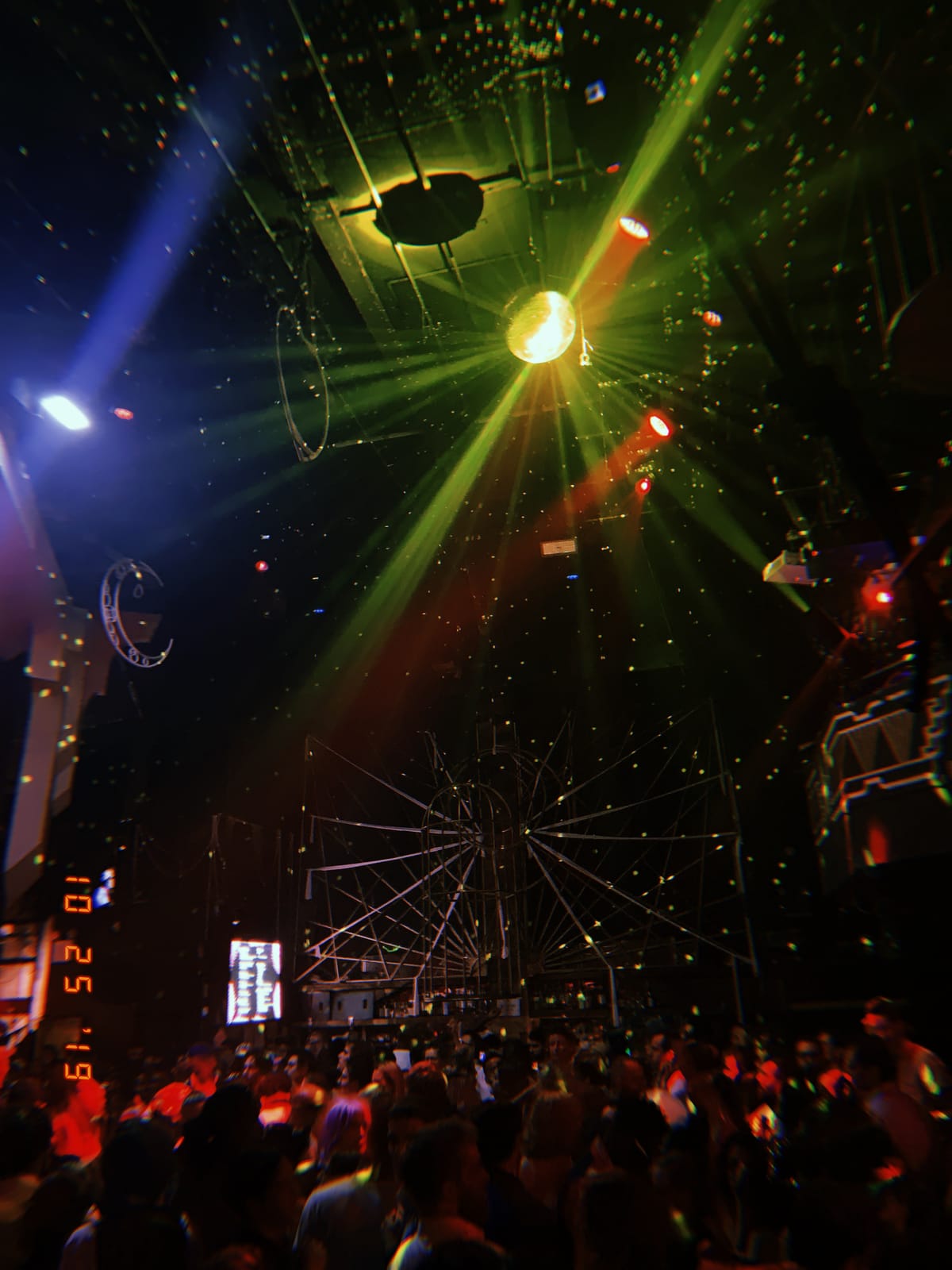
In the height the seventies a powerful subculture of individuals hell-bent on hedonism and having a damn good time tore through any and every dance floor wearing sequins, spandex, and not much else. Yes, lady and gentlefolk I’m talking about disco. The loud thumping bass and rhythmic flashing of lights associated with the upbeat music is not an unfamiliar scene to most, despite the proclamation of disco as dead.
Indicative, but not definitive of the era is dual power couple band ABBA. The quartet originated in Sweden and rocketed to fame after they won the Eurovision Song Contest in 1974 with ‘Waterloo’. It didn’t take long for the group to win over hearts internationally; the upbeat tempo pumped into the hearts of discotheque regulars and the harmonic vocalizations were attempted by children and mothers alike. Perhaps the band was so widely accepted for the projection of the world’s need for love and what’s more loving than two couples making catchy tunes together? Although one couple divorced, the band stayed strong into the early eighties and were revived in 1999 through the success of Mamma Mia! a broadway musical composed solely of ABBA’s hit songs. Their relevance in pop culture continued through the movie adaptation, Mamma Mia! in 2008 and Mamma Mia 2: Here We Go Again in 2018 – both starring twenty-one time Academy Award winner Meryl Streep.
Despite their obvious cultural presence throughout the past forty-five years, only one of their songs was able to hit number one in the United States – ‘Dancing Queen’ in 1977. The song depicts the story of a young woman out on the town embracing her youth, untethered to obligations and societal expectations if only just for a night. The impact of the song transcends time by encapsulating the joie de vivre associated with youthful exuberance lightly sprinkled with sensuality throughout. It has been argued to be one of the best pop songs of all time by some, and critiqued as vapid by punk rock enthusiasts whose mission in life was to destroy the disease of disco.
Although a famously popular and internationally beloved hit, I refuse to believe that ‘Dancing Queen’ was playing purely coincidentally while I exited my mother’s womb. I would even argue that due the timing, I am THE Dancing Queen. All other queens who dance can’t argue the significance of such a song playing as one enters the world. I know few other people who have what I commonly refer to as a “birth song,” and those who do tend to take the universal timing of music and birth incredibly seriously.
‘Dancing Queen’ and I became inextricably tied into one being. The song replaced ‘Happy Birthday’ for majority of my life and was belted regularly in car rides with my mom leading with a sweet and strong voice while my sisters and I squeaked out lyrics we didn’t fully understand. All I knew was when that song played it was for me, everyone points to my usually-twirling body, indicating who the dancing queen truly is.
My mom often gets misty-eyed and nostalgic when the song plays, lost in the collective memories of watching her second child grow from little bean to young woman. It’s incredible how a hit disco song is able to wrap two souls together the way it did with my mom and I. She breathed life into me with her impeccable taste in birthing music. All throughout my life it has been music that has stapled us to each other. It’s our outlet, our way to escape, or enhance our lives. There was never a drive to school that wasn’t full to the brim of music that I now hold close to my heart. My mom taught how to dance most effectively in the car and the only microphone one truly needed was the opposable thumb. No genre was off limits (except country), however ABBA’s discography – especially Dancing Queen – triggers me in the same nostalgic way it does my mom. Every so I often when the song plays I’m overcome with self-awareness in regard to my place in life and how my birth song remains relevant no matter where that place might be.
As a young woman I’ve come to embrace my disco roots. I’ve been reprimanded for spending too much time in clubs. I’ve indulged in the hedonism that defined the culture. Mostly – I’ve danced. Not always well, but consistently with reckless abandon. Historically, I was never enthused with sports or sweating in general, but there has always been something different about dancing. Being in a crowd, feeling the music move you, embracing the moment and knowing that although there will be many many others like it, this instant in time is happening now and never again. That feeling, that now or never attitude has propelled me through life, gifting me the instinct to keep dancing - to dance until my clothes are drenched and my hair is wet with sweat to do so no matter who’s watching and not feel even the tiniest bit gross or embarrassed.
I can’t imagine my life without a theme song, without something to flag my significance. I wouldn’t trade my song for the world, and to think if I had been born one song earlier on the Arrival album my theme song would’ve been ‘When I Kissed The Teacher’ or if I would’ve held out a few more songs I could’ve set the tone for my life with ‘Money Money Money’ – the ultimate manifestation of wealth. But no, I am the Dancing Queen, young and sweet, only seventeen. Perhaps I was actually born metaphorically seventeen. It would explain the maturity that separated me from my peers throughout my childhood. Ideally with such a theme song I’ll maintain my youthful optimism and sparkling energy until I’m a wrinkled little raisin.
When my soul eventually leaves my body I cannot imagine a more fitting song to play. Although, it might be difficult depending on my health. If I’m unresponsive it’ll have to play on a loop until I eventually pass (which I’m sure will deter many a visitor). Maybe it’s more practical to play at my funeral. A final send-off which will immortalize my legacy with the song that defined it.
I can hear the eulogy now:
“Ryley Sabashtion Hoff, loving sister, friend, daughter and dancing queen, died the way she lived – young and sweet, at the ripe age of seventeen.”